
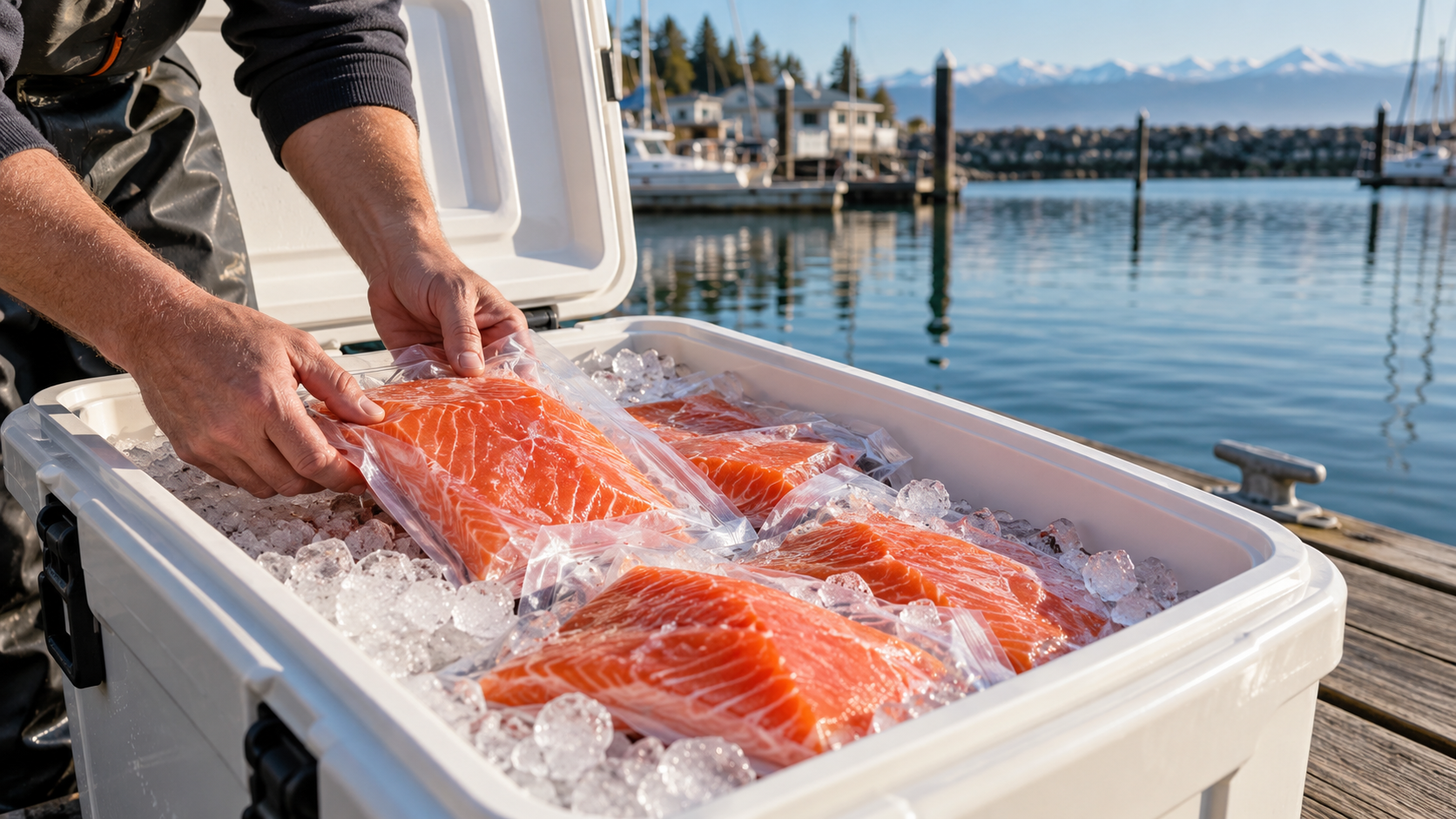
A Seattle Fishing Charter can leave you with wonderful memories, a few photos worth framing, and hopefully some fresh salmon to enjoy at home. But if you are visiting from out of town, one practical question deserves attention before departure. How will you get your catch from the boat to your kitchen?
With a little planning, bringing fish home can fit comfortably into your vacation. Whether you are driving across Washington or flying out of Seattle, think through your cooler, cold storage, and travel schedule before your trip. Your future salmon dinner will appreciate the effort.
Start With Your Travel Plans
When booking with Puget Sound Sports Fishing, let the team know whether you are driving home, staying overnight, or catching a flight. Share any plans that could affect how you handle your fish after returning to shore.
Useful questions include:
- What should I bring to transport my catch?
- Where should I keep my cooler during the trip?
- What fish preparation is included?
- If I need freezing or special packaging, what should I arrange beforehand?
- How much time should I leave between returning to the dock and traveling?
Puget Sound Sports Fishing includes cleaning and bagging of your catch. Its guest FAQ also recommends bringing a medium-sized cooler for transportation. Cleaning and bagging help you get ready to leave the dock, but you should confirm any separate freezing, vacuum-sealing, or shipping arrangements before your fishing day.
Choose a Cooler With Room for Ice
A cooler needs space for both your fish and the material keeping it cold. Filling every available inch with salmon leaves little room for ice or frozen packs.
For a drive home, consider a sturdy insulated cooler with a secure lid and an interior that is easy to clean. If you are flying, check your airline’s container requirements before buying one. A cooler that works beautifully in your car may not meet an airline’s baggage requirements.
Prechill your cooler before loading it, and bring enough cooling material for the full journey. A small cooler thermometer can help you monitor conditions instead of guessing.
Keep your transportation supplies together, including extra leak-resistant bags and any labels you need. It is much easier to organize these before charter fishing than in a parking lot with hungry passengers.
Keep Your Catch Cold After Leaving the Boat
The basic food safety goal is to keep fresh seafood at 40°F or below. The FDA recommends using refrigerated seafood within two days or freezing it for later use. Keep raw fish separate from ready-to-eat foods, and wash hands and surfaces after handling it.
Once your catch is ready, move it into your prepared cooler promptly. Keep the fish securely bagged, and use a separate cooler for drinks if possible. That way, someone looking for another soda is not repeatedly opening the fish cooler.
A fishing trip can inspire plenty of spontaneous stops. After you have fish to transport, however, plan those stops around reliable cold storage.
Driving Home From Edmonds
For guests returning to Seattle or elsewhere in WA, driving offers flexibility. You can bring your own cooler, replenish ice when needed, and head directly to a refrigerator or freezer.
Before leaving Edmonds, organize the cooler so it stays upright and secure. Keep it out of direct sun, minimize unnecessary opening, and check its temperature during longer journeys.
Think about the entire route rather than just the estimated driving time. Ferry lines, traffic, meal stops, and sightseeing can turn a short transfer into a much longer afternoon.
If your plans include an overnight stop, confirm refrigeration in advance. “There is a refrigerator in the room” does not necessarily mean it has enough space for your catch. Ask about usable capacity and whether freezer storage is available if you need it.
Freezing Fish Before a Flight
If you want to travel with frozen salmon, arrange a suitable freezer and enough time for the fish to freeze thoroughly. Do not assume a small hotel freezer compartment can handle several packages overnight.
Ask any processor you plan to use about turnaround time, package sizes, storage, and collection hours. Match those details to your flight schedule before committing.
Tell the processor how you will transport the fish and when you expect to reach your destination. Ask for written storage and thawing instructions, particularly for vacuum-sealed packages.
For planning purposes, treat cleaning, packaging, freezing, and transportation as separate steps. Knowing who handles each one prevents an end-of-trip scramble.
Flying With Salmon From Seattle
TSA permits seafood in both carry-on and checked baggage. When bringing a cooler through the security checkpoint, ice or ice packs must be completely frozen at screening; partially melted cooling materials can fall under liquid restrictions. Review TSA’s seafood guidance before departure.
Your airline also has its own baggage and packaging requirements. Before flying, confirm:
- Whether your container is accepted.
- Size and weight limits.
- Checked-bag or overweight fees.
- Requirements for leak prevention.
- Rules for your chosen cooling material.
Pack for the full door-to-door journey, including airport waiting time and possible delays. For international travel, check the destination’s seafood import rules as well.
Using Dry Ice Requires Advance Planning
Dry ice requires airline approval. FAA guidance limits it to 2.5 kilograms, or 5.5 pounds, per package and per passenger. Packaging must allow carbon dioxide gas to escape, and checked packages require appropriate labeling. Review the FAA dry ice requirements and your airline’s instructions before packing.
Bringing Your Fish Into the Kitchen
Once home, transfer the fish promptly to suitable cold storage. Label packages so you can remember the catch date and plan meals without repeatedly opening them.
Follow your processor’s thawing directions. The FDA recommends refrigerator thawing and cooking most seafood to an internal temperature of 145°F. Perishable seafood should not sit unrefrigerated for more than two hours, or one hour when temperatures exceed 90°F.
Frequently Asked Questions
Should I bring a cooler on a Seattle fishing charter?
Bring a cooler for transporting your catch home, and ask the operator where it should stay during the trip. Puget Sound Sports Fishing recommends a medium-sized cooler.
Does fish cleaning include freezing?
Do not assume it does. Confirm cleaning, packaging, freezing, and any processing arrangements separately before your fishing trip.
Can I bring salmon home on an airplane?
Yes, seafood is generally permitted in carry-on and checked baggage under TSA rules. You must also meet your airline’s packaging requirements and applicable destination rules.
What if I am staying in Seattle after fishing?
Arrange suitable cold storage before boarding the charter boat. Ask your hotel or a processor about capacity, access, and freezing options.
Plan Your Puget Sound Fishing Adventure
A little preparation lets you enjoy salmon fishing without spending the ride back wondering where dinner will sleep. For Seattle fishing trips departing from Edmonds, WA, explore Puget Sound Sports Fishing and discuss your travel plans before departure. Spots are limited, so book your trip today and get ready for a memorable day on Puget Sound.